UNDERSTANDING HOW THE SPINE WORKS
The human spine is an incredible structure. It consists of 33 individual vertebrae (bones) stacked on top of each other, which interlock to create a strong but flexible load-bearing system. This structure, also known as the spinal column provides the principle support for the human body, allowing us to stand, bend, and twist. It houses the spinal cord, which gives rise to the various spinal nerves to multiple parts of the human body. The spine prevents injury to the spinal cord. Intervertebral discs are cushions or function like shock absorbers between the vertebrae and are essential for a healthy spine. They acquire their nutrition from the end plates of the vertebrae by diffusion and this in turn depends on the health of blood vessels all over the body and the absence of atherosclerosis. A whole food plant predominant diet is anti-inflammatory and maintains a healthy blood supply to the vertebral end plates and maintaining a good posture and core strength by a healthy lifestyle prevents wear and tear problems of the spine.
UNDERSTANDING THE STRUCTURE OF THE SPINE
The human spine is divided into 4 regions and consist of 33 vertebrae.
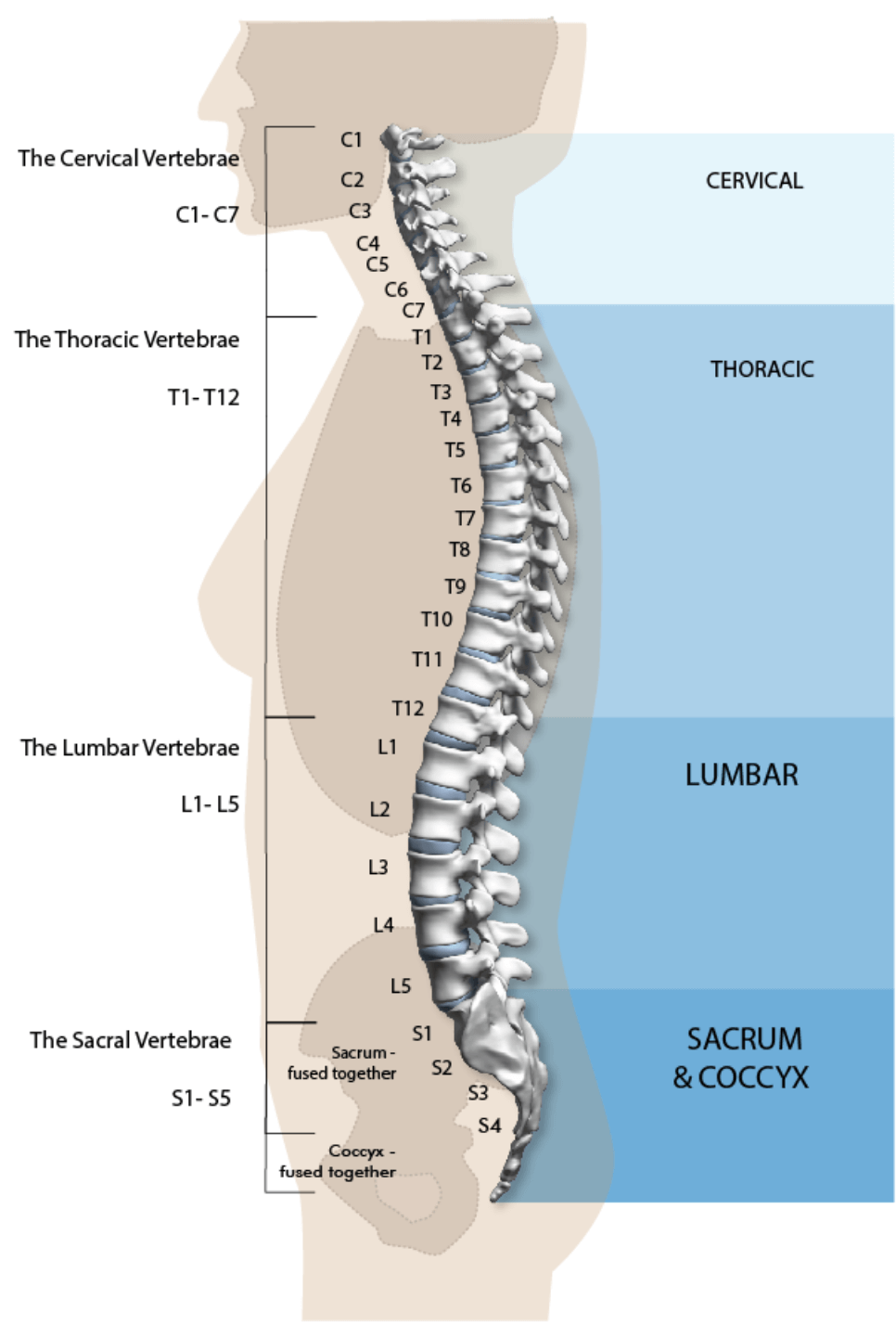
THE DIFFERENT TYPES OF VERTEBRAE
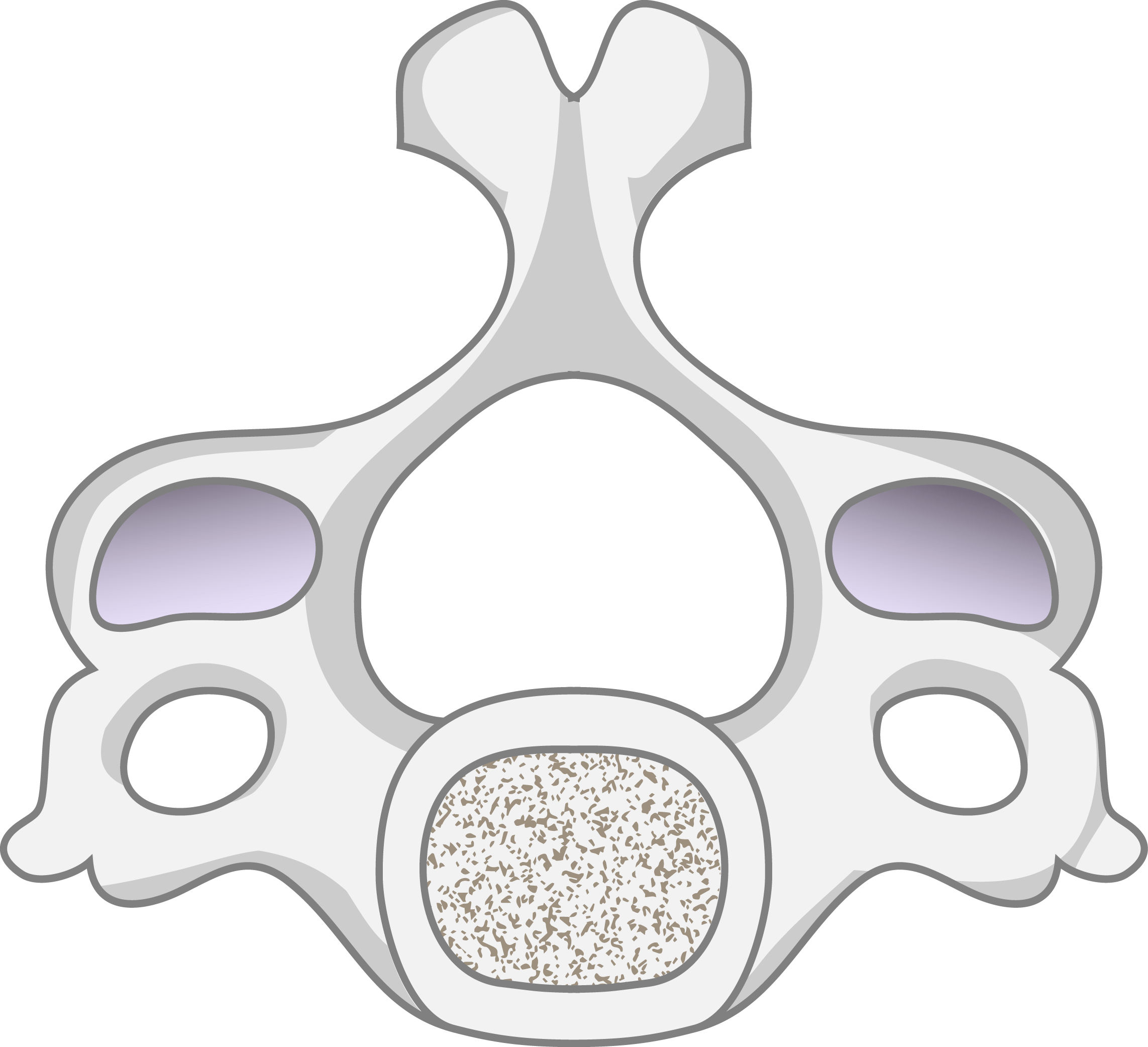
CERVICAL VERTEBRAE
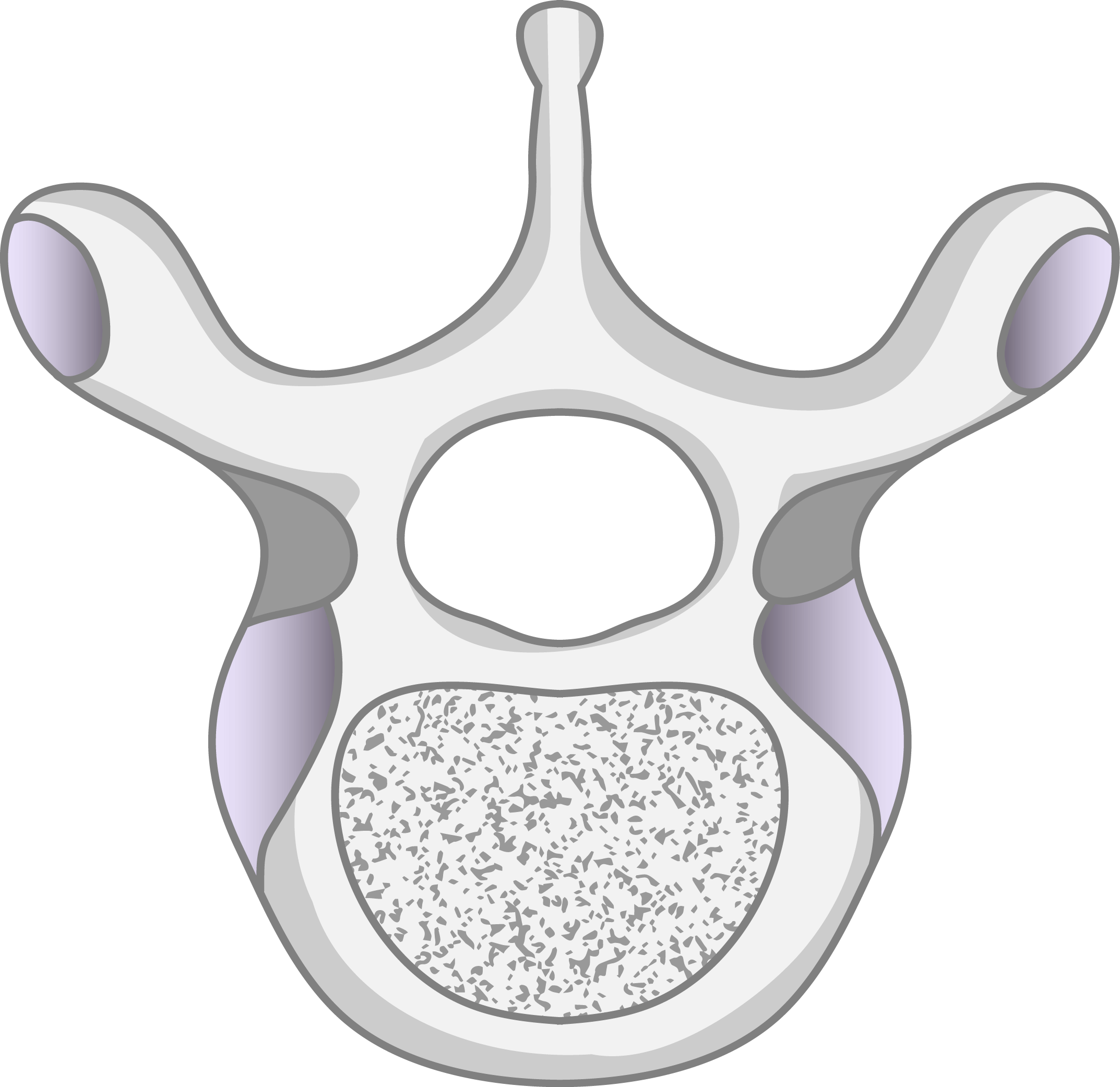
THORACIC VERTEBRAE
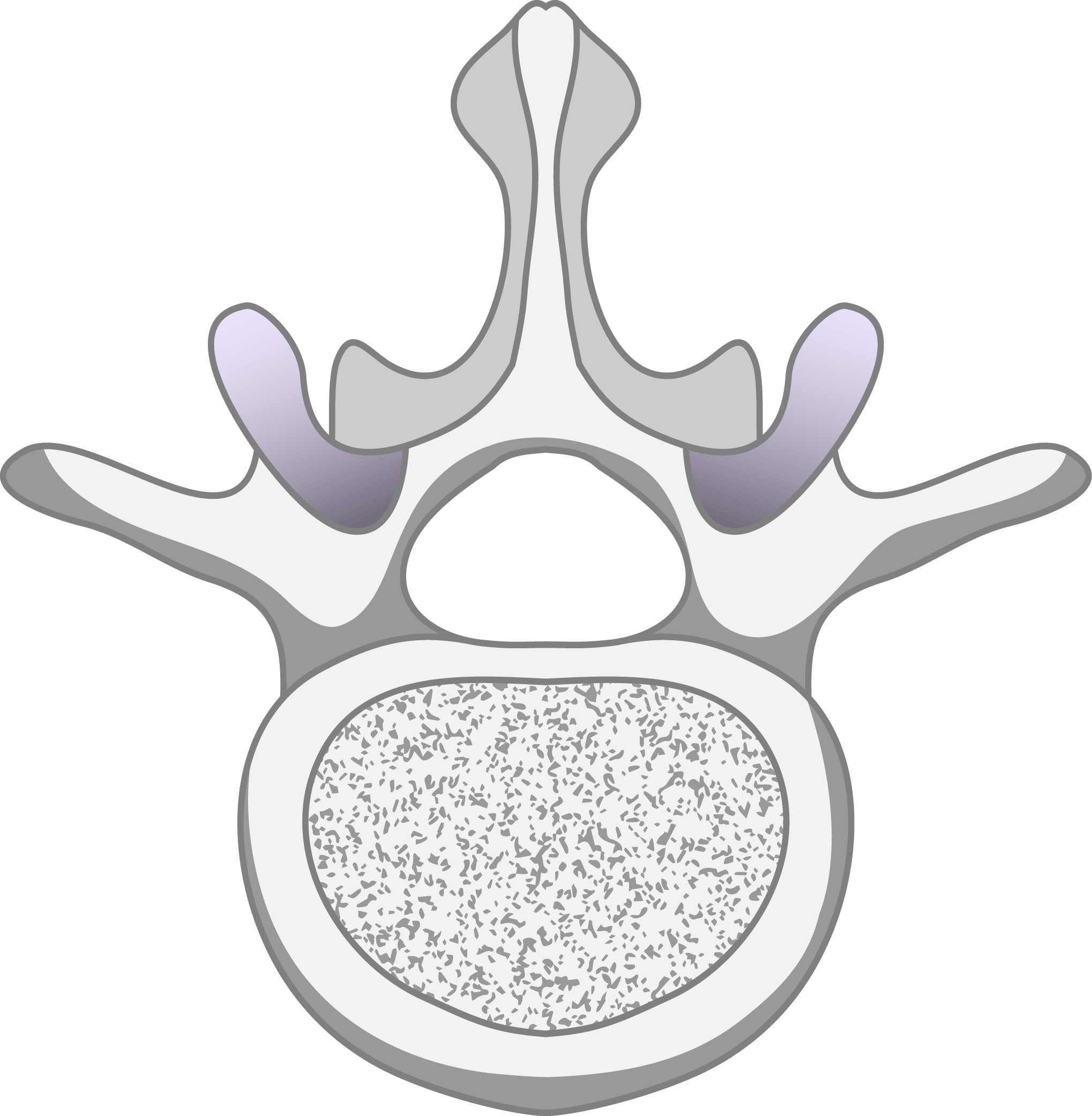
LUMBAR VERTEBRAE
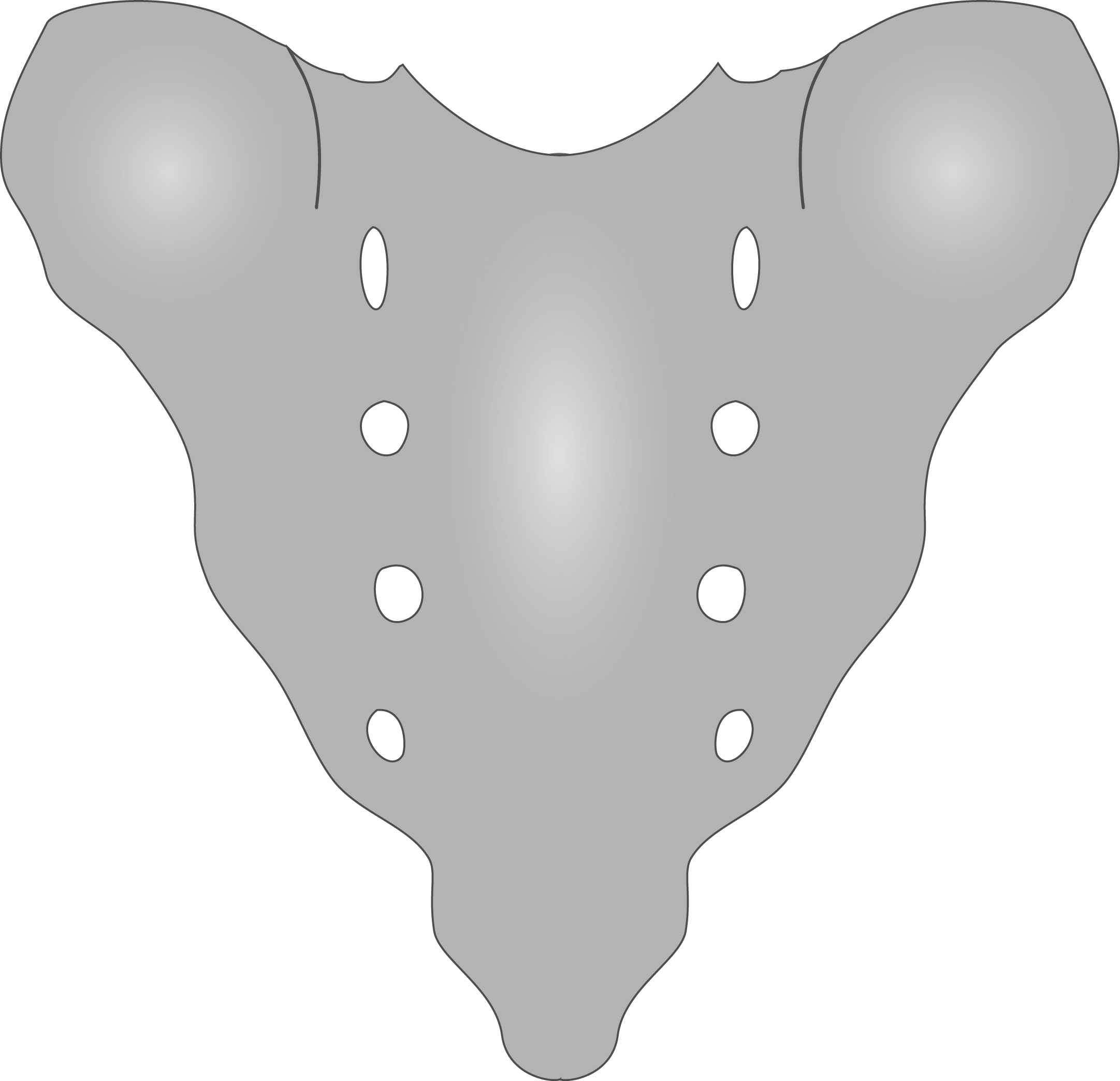
SACRUM & COCCYX
How do Healthy Intervertebral Discs & Vertebrae Look?
The spine prevents injury to the spinal cord. Intervertebral discs get their nutrition by diffusion from the vertebral end plates and maintain their height and shock absorber potential depending on the blood supply to the vertebral end plates and one can prevent injury by strengthening the core muscles that surround the spine. When there is improper care of the spine, it results in many painful conditions and diseases. These can be prevented, and often reversed by following a healthy lifestyle. Age and poor lifestyle choices often lead to wear and tear of the spine, resulting in sciatica, spinal fractures and other such conditions. Surgery of the spine is usually the last resort to resolve conditions that cannot be treated by lifestyle or non-surgical methods.
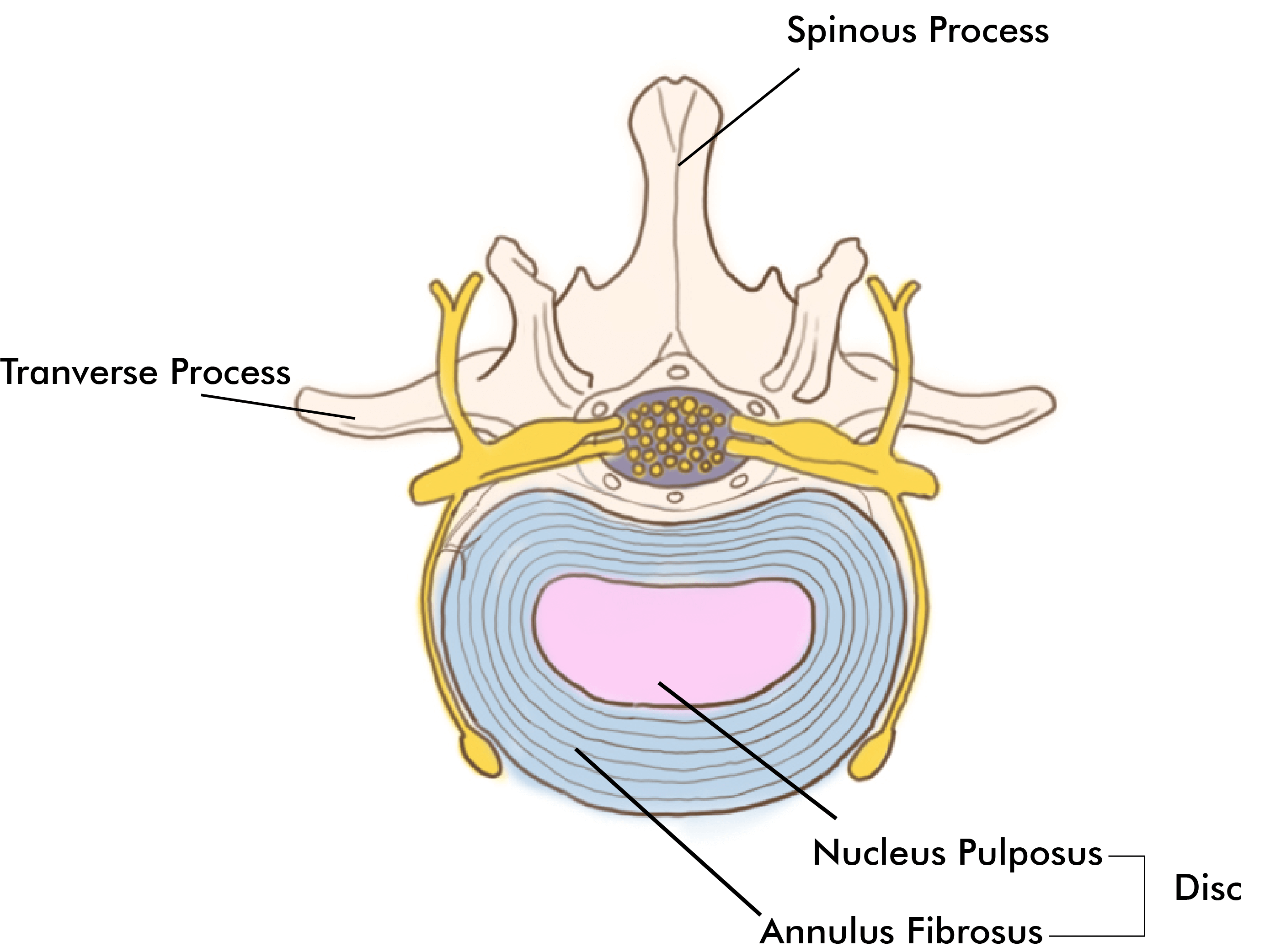
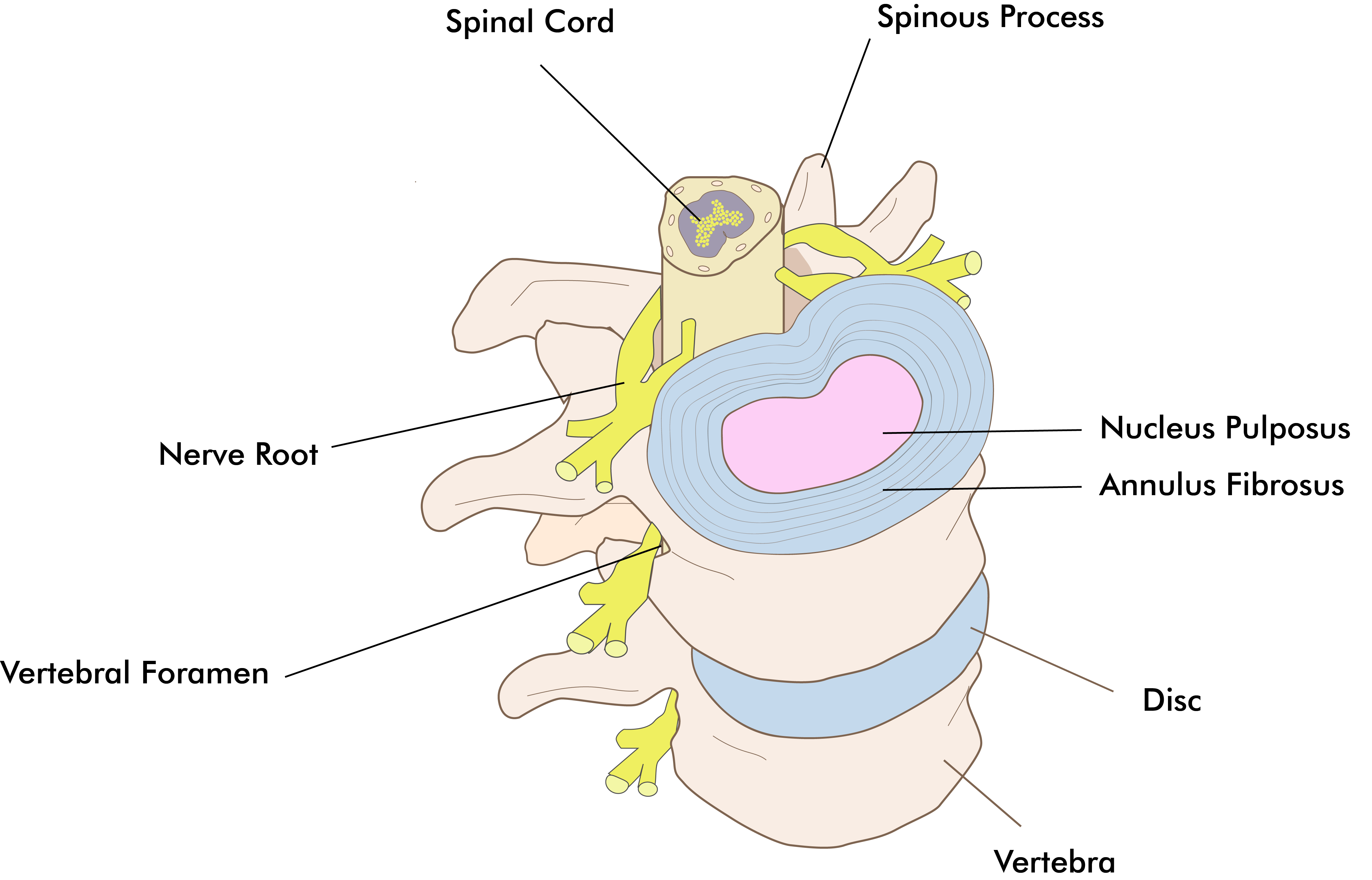
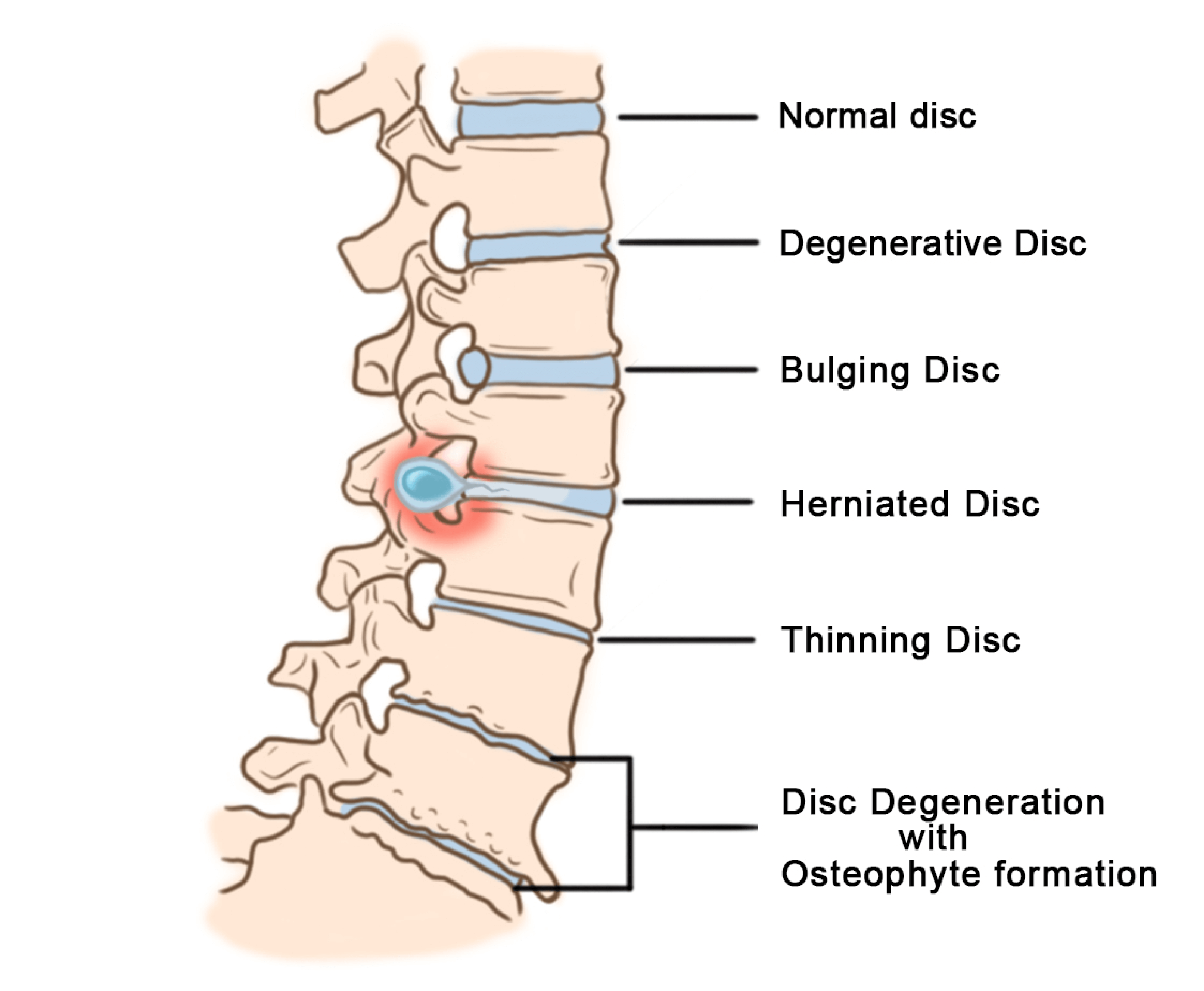
Degeneration of the Spine occurs as we Age
Age and poor lifestyle choices often lead to wear and tear of the spine, resulting in sciatica, spinal fractures and other such conditions. These may require conventional or corrective measures, but in some cases, orthopaedic treatment to alleviate the symptoms. Surgery of the spine is usually the last resort to resolve conditions that cannot be treated by conventional methods, a change in lifestyle or non-surgical methods.
TAKING CARE OF YOUR SPINE
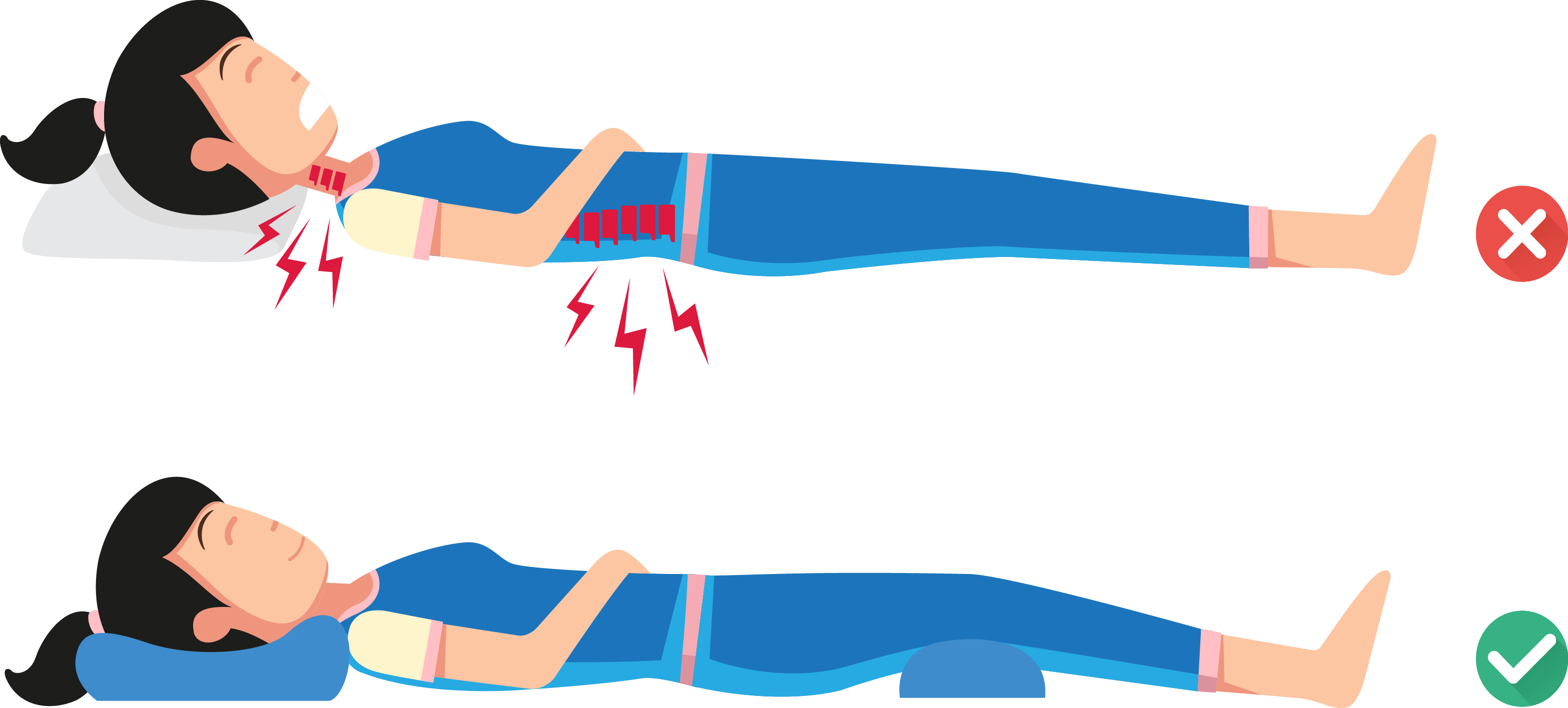
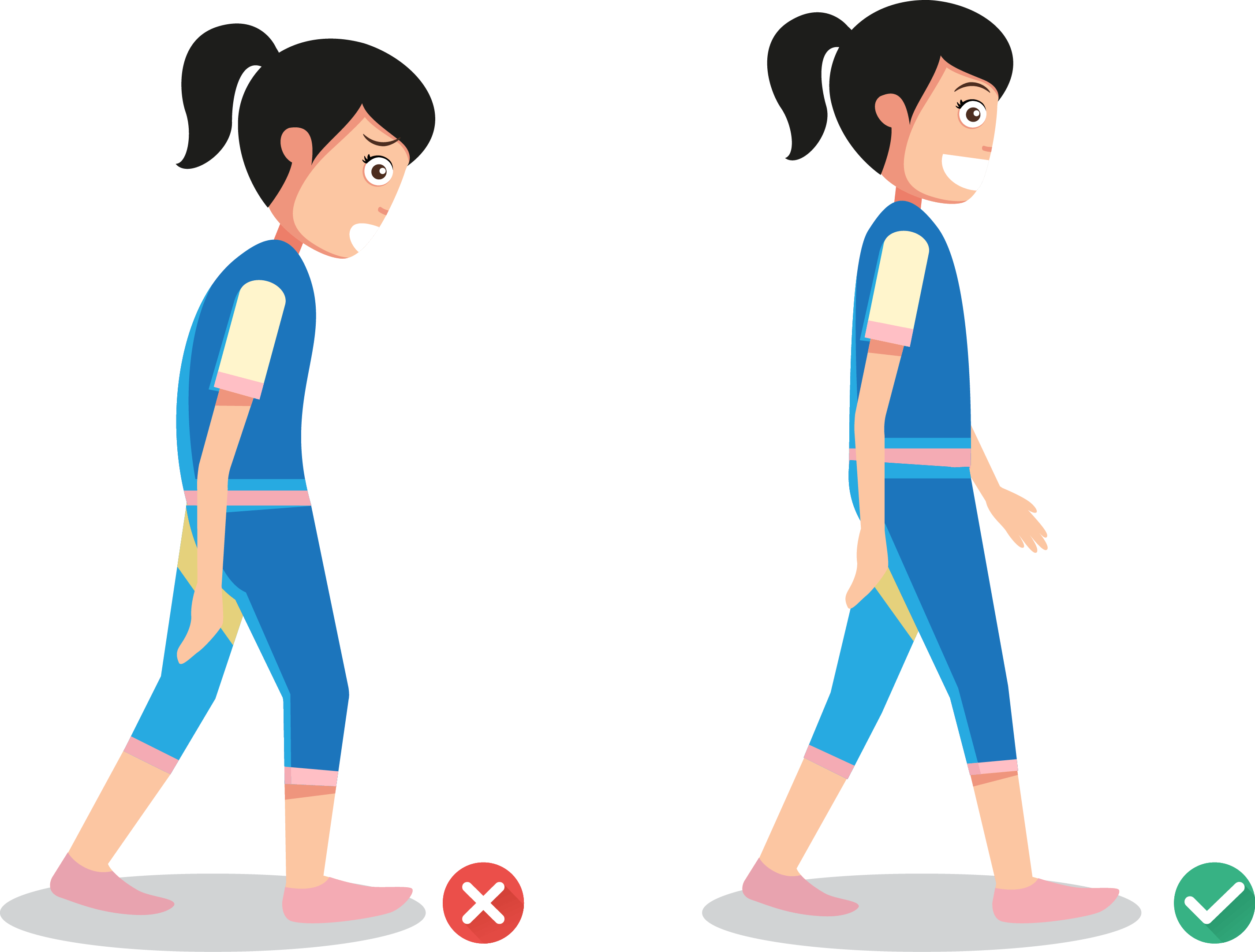
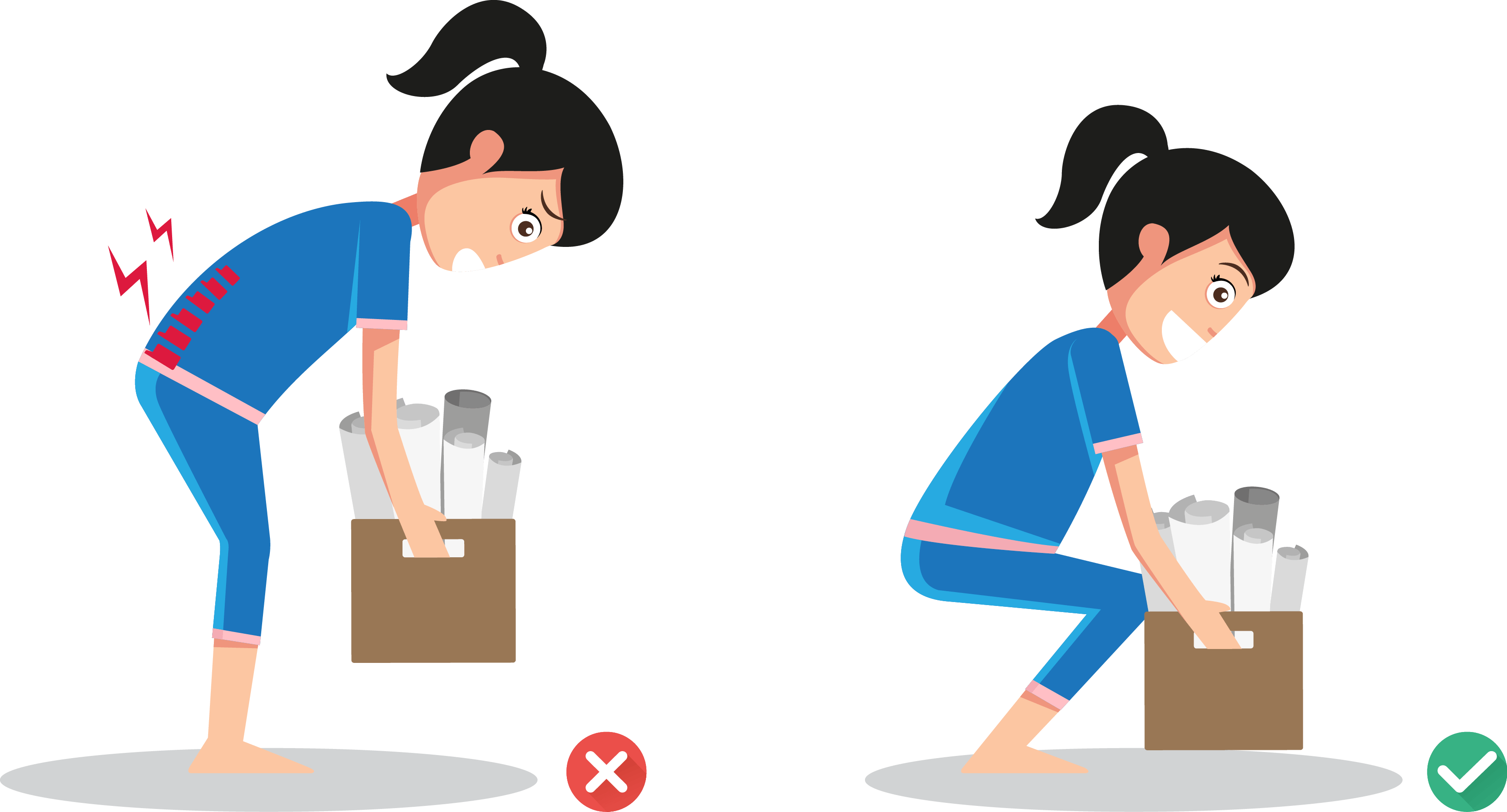
We must ensure that we use the best posture while performing daily activities. Below are a series of common activities showing poor postures that are commonly used and best postures to provide optimal spinal support.
Best posture for walking
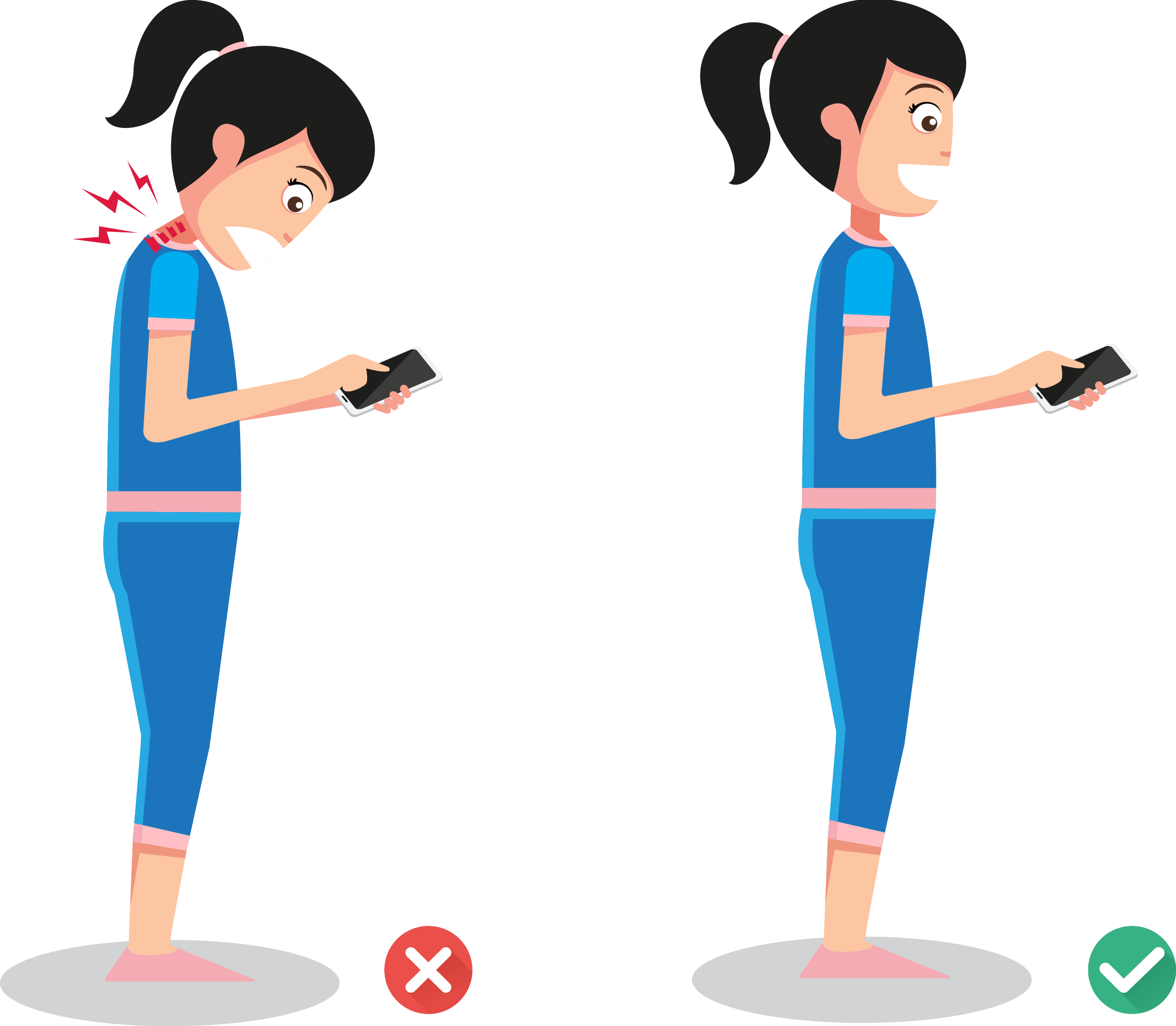
Best posture while using your mobile
Best way to lift heavy objects
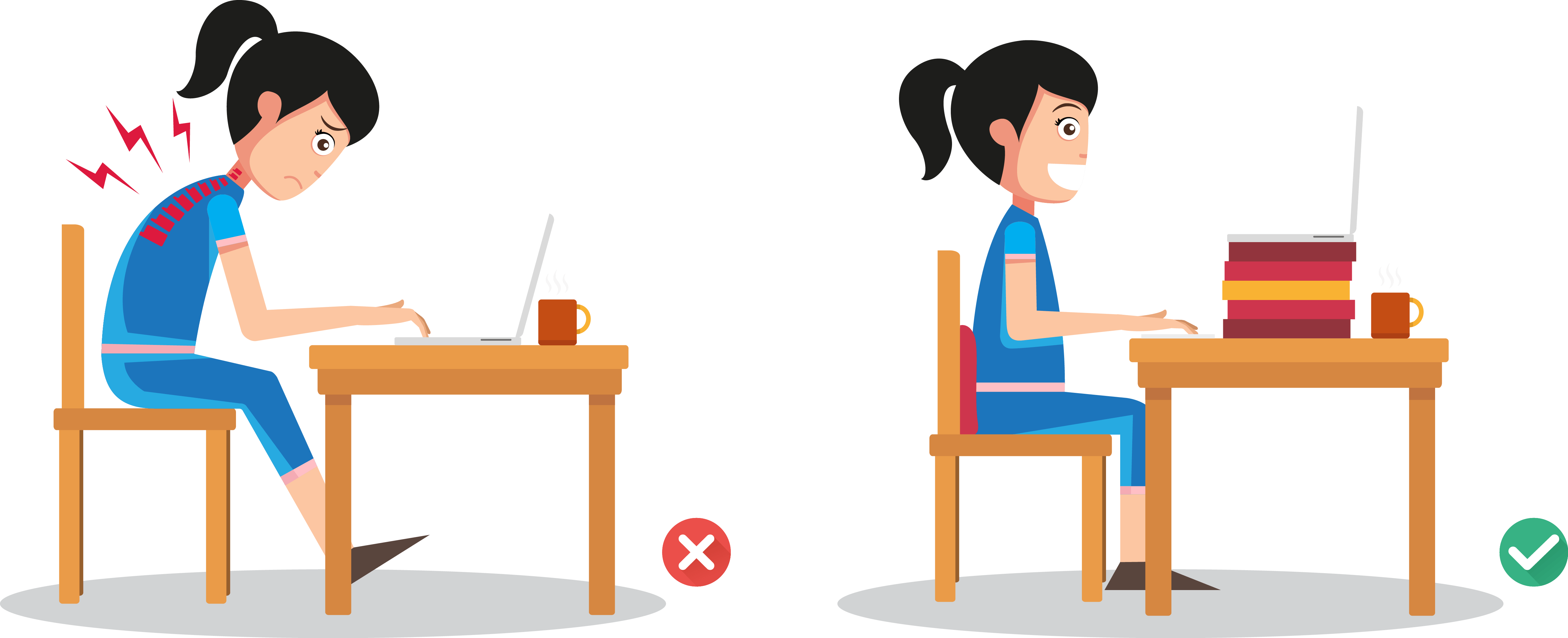
Best posture while sitting at your desk
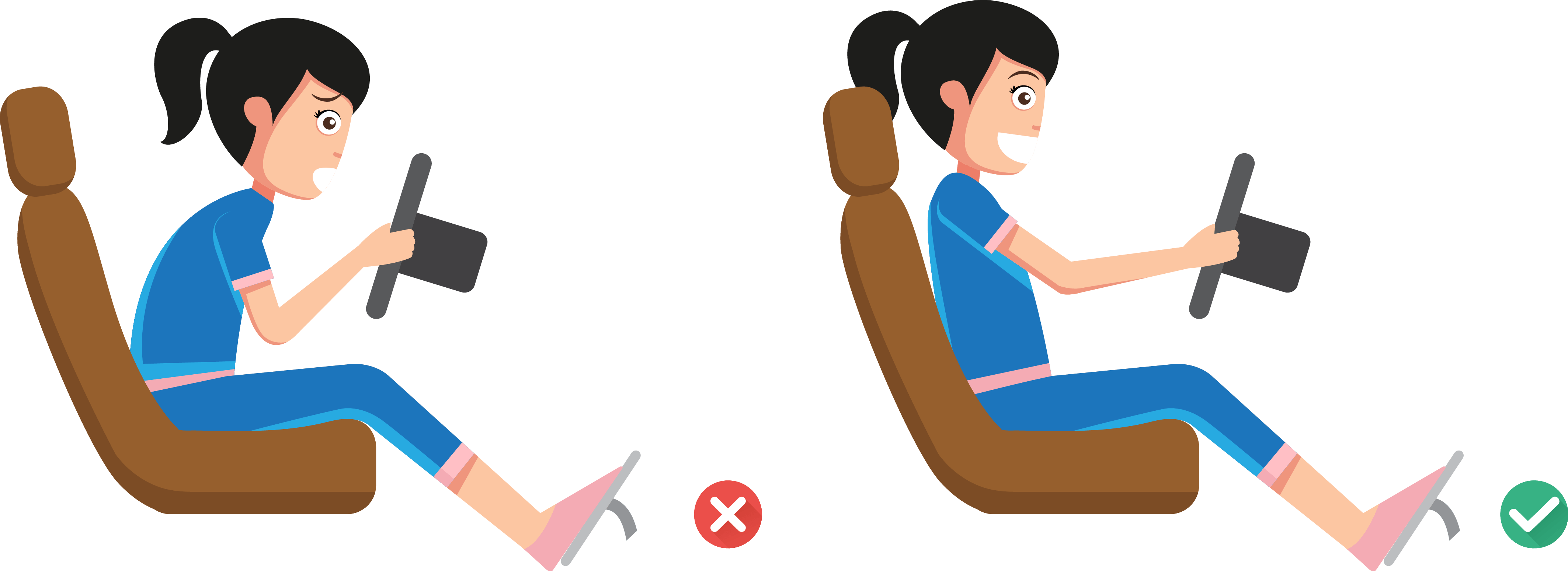
Best posture while driving a car